Smart Devices from Mozilla and Foxconn
Ajit Deshpande - June 6, 2013 - 0 Comments
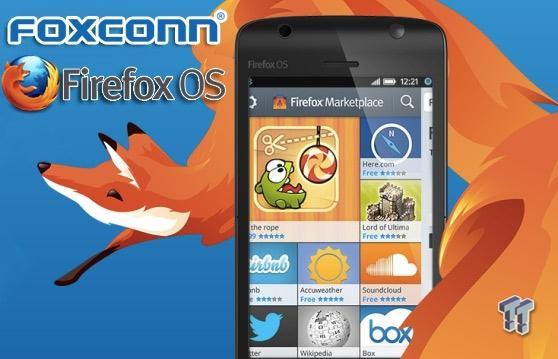 When it comes to smartphones and tablets, the OS market is quite concentrated, with Android and iOS together owning a 92.3% market share for smartphones, and a 96.1% share for tablets. Well, Mozilla and Foxconn feel it is time to fragment it a little. As of June 3rd, the two companies announced that Foxconn will be introducing devices from smartphones to televisions and large display boards, all based on the Firefox OS. Foxconn and Mozilla plan to develop reference designs, but do not plan to introduce devices with their own brands. Foxconn represents Mozilla’s 19th Firefox OS alliance partner (the previous 18 all being mobile operators, with Sprint being the only major American carrier in the list).
Good strategic move for both Foxconn and Mozilla. As the top outsourced manufacturing shop for mobile devices, it is in the Foxconn’s best interest to fragment the mobile ecosystem to the extent they can. As for Firefox’s browser-as-an-OS approach, this might be their best bet for relevance in the post-PC era. The bigger question though is whether the world needs a third mobile OS, and on a couple lines of thought, the answer may be a no. Chrome and Safari will both be technologically better equipped if the world chooses the mobile web approach over installed apps, from the knowledge base of their respective mother ships. As for the next five billion smartphone users, cheap android phones are already available for $50, and that’s even after discounting the fact that Mozilla’s brand recognition might be low amongst this next wave of adopters.
Will Foxconn’s reference designs bring enough long-tail device manufacturers to make Firefox OS relevant? Will Mozilla’s 18 carrier partners consider introducing their own smart device brands? Will there be enough firepower around Firefox OS to help Mozilla move beyond just playing third fiddle, when other well-funded operating systems such as Windows 8, Blackberry and Symbian have failed to do so? Well, the only things that are clear from last week are that mobility is huge, and that another player from the PC ecosystem wants in on a piece of the pie…